
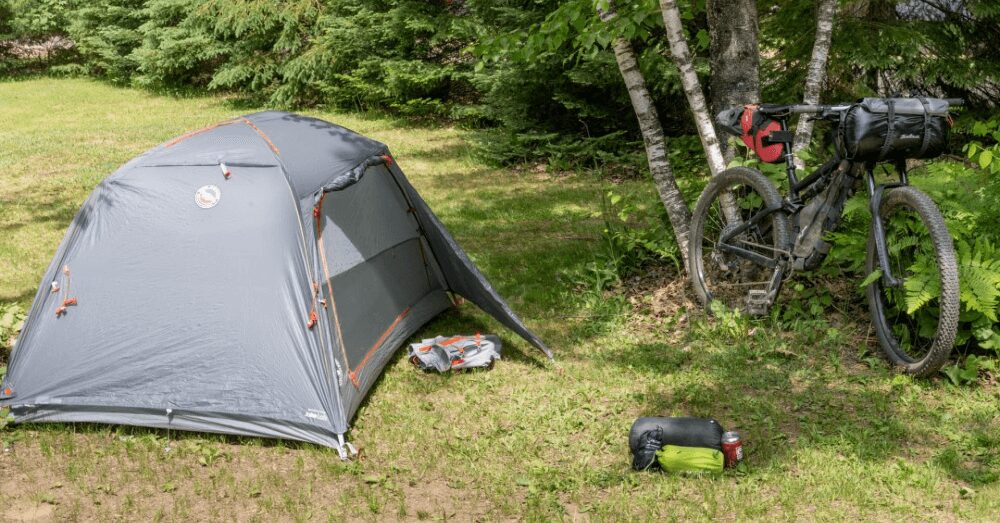
Bikepacking sounds like a dream until you start pricing out the gear. Between bike-specific racks, waterproof bags, compact tents, and ultralight sleeping systems, a first-timer could easily drop $1,000 or more before ever turning a pedal on dirt. That’s exactly the problem a growing number of volunteer-run “gear libraries” are trying to solve. These lending programs let curious riders borrow everything they need for free, or close to it, so they can try bikepacking before committing to a garage full of expensive equipment.
- Bikepacking gear libraries lend racks, bags, tents, and camping gear so newcomers can try the sport without a big financial commitment.
- The nonprofit Bikepacking Roots recently launched a searchable Community Gear Library Resource Hub listing about 18 libraries across the U.S.
- Most libraries run on an honor system, asking only for contact information and sometimes a small donation.
What Is a Bikepacking Gear Library?
Think of a regular public library, but swap the books for frame bags, handlebar rolls, and lightweight camping setups. You can borrow bikepacking bags, camping gear, and sometimes even bikes. These lending programs are often free for those looking to get involved in their local cycling scene.
If you’re not familiar with bikepacking as a sport, it’s different from traditional bike touring. This sport opts for mountain or gravel bikes on dirt trails rather than loaded panniers on paved roads. That means the gear you need is pretty specialized. Your bags need to fit your specific frame, your tent needs to pack down small enough to strap to handlebars or a seat post, and your sleeping system has to be light enough that you can still enjoy the ride.
That’s a lot to figure out on your own, and it’s a lot to spend before you even know if you’ll enjoy sleeping in the dirt after 40 miles of gravel roads.
How Bikepacking Roots Built a Searchable Hub
Bikepacking Roots, a nonprofit focused on getting more people into bikepacking, has created the Community Gear Library Resource Hub. This searchable map pulls together bikepacking gear libraries from around the country, and it’s growing fast. The hub was built in partnership with Old Man Mountain, a rack manufacturer that’s been involved in the bikepacking scene for years.
So far, the Resource Hub lists about 18 of these gear libraries, many of them located in major cities like Portland, Denver, Atlanta, Los Angeles, and Austin. The hub only became available this year, and new listings are being added quickly. Another four libraries have already contacted the nonprofit about inclusion.
Many of the gear libraries are run by bike shops and connect with riders who want to borrow gear and experience bikepacking for the first time. Some gear libraries also focus on serving groups that are underrepresented in cycling, including people of color and women.
What You Can Actually Borrow
The inventory varies from one library to the next, but you’ll generally find the stuff that makes bikepacking possible. Expect to see racks of all types for attaching larger packs alongside the front and rear wheels.
Bags are a big one. Borrowers frequently grab packs that are built specifically for bikepacking, with secure attachments and waterproof materials. These can hang on the handlebars, fit under the seat, or be nestled within the frame.
Many gear libraries even have bikes that they loan out, which are often donated by locals. And camping equipment is a huge draw for first-timers. You want tents, sleeping bags, and mats that pack down small enough to actually fit on a bicycle. Volunteer librarians are often there for support, helping you figure out what gear you need for a specific trip, what bags will work on your bike, and even giving you tips for local routes!
For the most part, these gear libraries operate on an honor system. They’ll often ask you to give some contact information and a copy of your ID. You’ll also get information about how to take care of the gear and leave it in good condition for the next aspiring bikepacker. Other than that, many of these libraries will simply ask for a donation.
No Library Near You? You Can Still Get Started
Even if you don’t have a library near you, there are other ways to give bikepacking a try. Many local bike shops offer group trips. L.A.’s Wild Wolf Cycling Collective runs both group rides and a gear library, and similar groups are popping up in cities across the country.
It’s possible to snap normal dry bags onto handlebars, along with other creative methods for bringing camping gear on your two-wheeled trip. You don’t need a $200 custom frame bag to get out there. A bungee cord and some creativity can get you through your first overnight ride. Once you know you love it, then you can start investing in purpose-built gear.
The hub also includes resources to support people who may be considering setting up or running their own gear library. The resources cover acquiring gear, keeping track of inventory, managing lending, and storing and maintaining equipment. So if your town doesn’t have a bikepacking gear library yet, you could be the one to start it.
Is Borrowing Gear the Best Way to Try Bikepacking?
For most people who are bikepacking-curious, a gear library is the smartest first step. You’ll get to test whether you actually enjoy riding loaded on dirt, figure out what size bags work for your frame, and learn what camping gear you’d want to own. All without dropping a paycheck on stuff that might end up collecting dust in your garage.
The bikepacking gear libraries movement is still young, but the growth has been impressive. With Bikepacking Roots adding new locations regularly and local groups popping up in more cities, borrowing your way into the sport has never been easier. The only thing left to figure out is where you want to ride.