
What the New Federal Climbing Guidance Means for Bolts, Anchors, and Access
Climbers across the West just got a long-awaited answer to a question that kept many up at night. Can you still trust the bolts and slings that have kept generations safe on big walls? Federal agencies say yes, and they want to hear from you before the rules are final.
- Four federal agencies released draft guidance on June 15 that officially allows fixed anchors on public lands.
- Routes set up before January 4, 2025 can be used and maintained going forward.
- Public comment windows close August 14 for most agencies and around mid-July for the Forest Service.
A Big Shift for Climbers on Public Lands
On June 15, the National Park Service, U.S. Forest Service, U.S. Fish and Wildlife Service, and the Bureau of Land Management put out new draft guidance for managing rock climbing. The headline detail is the official green light for fixed anchors. If you’ve ever climbed in places like the Wind River Range in Wyoming or Rocky Mountain National Park in Colorado, you’ve relied on these tools without even thinking about it.
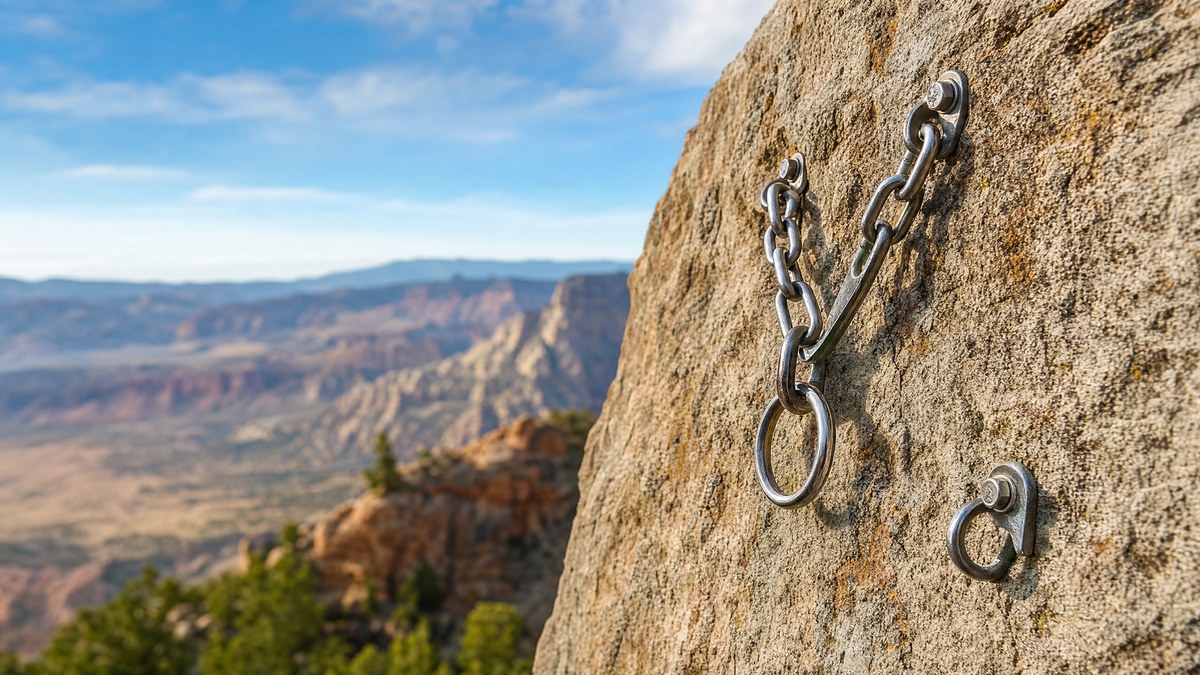
So what exactly are fixed anchors? They’re usually permanent metal bolts hand-drilled into rock walls, or slings wrapped around trees. After a climber tops out, they use these anchors to get back down safely when walking off isn’t a smart option. For decades, they’ve been a basic part of the sport.
Why This Was Up in the Air
A few years back, climbers had real reason to worry. In 2023, the Park Service and Forest Service floated draft guidance that could have restricted fixed anchors inside wilderness areas. Some conservationists argued that drilling bolts into rock clashes with leave no trace ethics. Thousands of climbers pushed back hard, saying those anchors are a safety lifeline, not litter.
Congress eventually weighed in on the side of climbers. In late 2024, lawmakers passed the Protecting America’s Rock Climbing Act, known as PARC. The law protected existing fixed anchors and told federal agencies to write formal climbing guidance. The drafts out now are the direct result of that order.
For the Forest Service, this is a first. There’s never been a national rock climbing directive before, even though some individual forests had written their own policies over the years.
What’s Protected and What’s Still Murky
Erik Murdock, deputy director at the climbing advocacy group Access Fund, called the guidance a clear win. He noted that climbing routes established before January 4, 2025 can be used and maintained in perpetuity. In plain terms, the roughly 100 years of established routes that climbers have built and loved aren’t going anywhere.
“People don’t have to worry about the federal government removing their routes or prohibiting standard climber safety tools,” Murdock said.
Still, the picture isn’t fully settled. The new federal policy hands a lot of decision-making power to individual forests and parks. That means new route development could look very different depending on where you climb. As Murdock put it, some local policies might turn out great, others might frustrate climbers, and we won’t really know until they take shape on the ground. The Access Fund is also pushing the agencies to better align how they each define a fixed anchor, along with other technical fixes.
The Wilderness Question Lurking in the Background
The agencies didn’t stop at climbing. Alongside the draft guidance, the Interior Department launched a broader review and put out a request for information on existing wilderness stewardship policies. That part isn’t specifically about climbing, and it’s raised eyebrows. Groups like the Sierra Club warned it could open the door to weakening longtime wilderness protections. Murdock said it’s too early to say whether that fear plays out with this particular request.
How to Make Your Voice Count Before the Deadline
If you care about how these rules land, the comment period is your window. Members of the public have until August 14 to submit comments on the Park Service, BLM, and Fish and Wildlife proposals. The Forest Service runs a shorter 30-day clock, closing around mid-July. Hundreds of people have already chimed in, and the more thoughtful, specific feedback the agencies receive, the better the final policies tend to be. Whether you’re a weekend top-roper or a multi-pitch veteran, this is the moment to weigh in on rules that will shape access for years to come.