
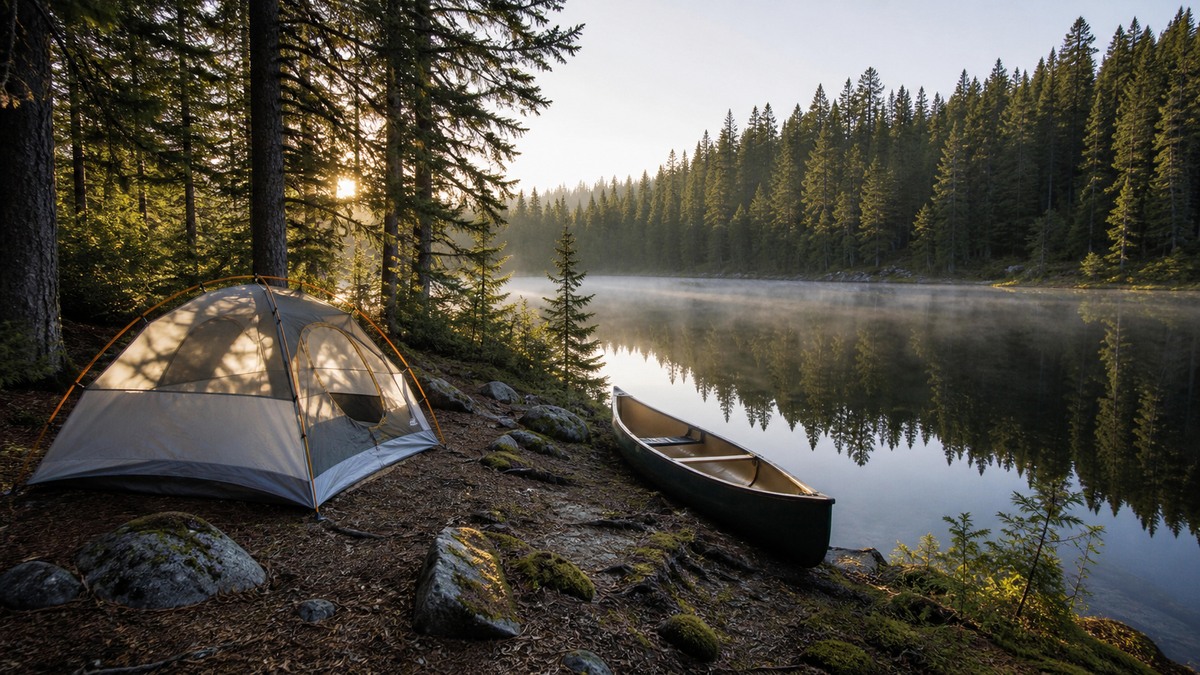
Some weekends you want a campfire ring within earshot of a hundred neighbors. Other weekends you want the opposite, and that’s when a remote spot like Kuitan Lake starts to sound perfect. Tucked away from the busy shorelines that fill up fast every summer, it rewards the people willing to drive a little farther and plan a little harder.
- Remote lakes trade easy access for the kind of quiet you can’t book online.
- Coming prepared and self-sufficient matters more the farther you get from pavement.
- Leaving no trace keeps these places worth the trip for the next camper.
Why Skip the Popular Lakes
Oregon’s best-known lakes are wonderful, and everyone seems to know it. By mid-summer the parking lots overflow, the good campsites go early, and the water hums with boats and voices. There’s nothing wrong with that scene. But it’s a different kind of trip than sitting by a still lake at dawn with no one else in sight.
That’s the appeal of heading somewhere off the main map. You give up convenience and gain space. No jockeying for a spot, no music drifting over from three sites down, just the sound of wind in the trees and water lapping the shore. For a lot of campers, that swap is an easy one to make.
Planning a Trip That Actually Works
Remote comes with responsibility. The farther you get from a paved road and a cell signal, the more you need to think ahead. Tell someone where you’re going and when you plan to be back. Check road and fire conditions before you leave, since forest access and campfire rules shift through the season. Download or print your maps, because you can’t count on your phone finding a signal out there.
Pack like the nearest store is an hour or more away, because it probably is. Bring more water than you think you’ll need, or a reliable way to filter it. Carry a real first-aid kit, layers for cold nights, and a way to handle your trash. A full tank of gas and a spare tire in good shape are worth checking twice when the last stretch of road is gravel or dirt.
Making the Most of the Water
A quiet lake is made for slow mornings. Bring a rod if you fish, a small raft or kayak if you want to get out on the water, and a good chair for the hours in between. Wildlife tends to show itself more when there are fewer people around, so keep binoculars handy and your voice low near the shoreline.
Weather in the mountains can turn quickly, so watch the sky and set up camp with a little margin. Afternoon storms roll through even on clear days, and a well-staked tent beats a soggy scramble. When the evening settles in and the stars come out away from any town glow, you’ll understand why people go looking for spots like this.
Leave It Better Than You Found It
Places that stay quiet stay that way because people treat them well. Pack out everything you bring in, including scraps and micro-trash. Keep fires small and only where they’re allowed, and drown them dead before you turn in or leave. Camp on durable ground and give the shoreline room to recover. The reward for a little extra care is simple. The next person who makes the long drive to Kuitan Lake gets to find it just as wild as you did.
A low-crowd escape asks more of you than a drive-up campground. Bring the right gear, respect the conditions, and you trade a bit of comfort for something harder to find. Real quiet, wide-open water, and a weekend that feels a lot longer than two days.
One thought on “A Quiet Camping Escape to Kuitan Lake”